
Red light therapy has moved from spa treatment rooms to bathroom shelves, and for good reason: it is one of the most well-studied approaches to supporting the look of healthy, radiant skin at home. But between the buzzwords and the bold promises, it is easy to lose the plot. Here is the honest, grounded version of how it works and what it can do for you.
What red and near-infrared light actually are
Light is measured in nanometres (nm), a unit that describes its wavelength. Different wavelengths behave differently when they meet your skin, and two in particular are the stars of at-home therapy.
- Red light, around 630nm. This is visible red light. It works nearer the surface of the skin and is the wavelength most associated with supporting a smooth, luminous, even-looking complexion.
- Near-infrared light, around 830nm. This wavelength is invisible to the eye and reaches a little deeper. It is often paired with red light to support the overall appearance of firmer, more resilient-looking skin.
Used together, these two wavelengths give a device a broader, more balanced footprint than a single colour alone. That is why our devices are built around this red plus near-infrared pairing rather than chasing a single number.
How at-home LED devices deliver it
Professional clinics have used light-based tools for years, but the technology has become small, safe and gentle enough to live at home. Modern devices use arrays of LEDs, tiny, efficient light sources, tuned to those specific wavelengths. The mask, wand and panel formats simply change how the light is delivered to different areas.
There is no heat treatment, no downtime and nothing abrasive. You switch the device on, let it rest against or hover over the skin for a few short minutes, and let the light do the quiet work. The experience should feel relaxing, not clinical.
Light therapy is not a dramatic overnight fix. It is a small, pleasant habit that supports the look of your skin when you show up for it, week after week.
The Lumaray view
What the research broadly supports
Red and near-infrared light therapy is genuinely well-studied, with a large body of research exploring how these wavelengths interact with skin. Broadly, the evidence points toward light therapy supporting the look of smoother, more radiant and more even-toned skin over time.
It is important to be clear-eyed here. At-home light therapy is a cosmetic ritual that supports the appearance of your skin. It is not a medical treatment, and it does not cure conditions. Anyone promising guaranteed clinical outcomes is overselling. What a good device offers is a well-tolerated, evidence-informed way to care for how your skin looks and feels.
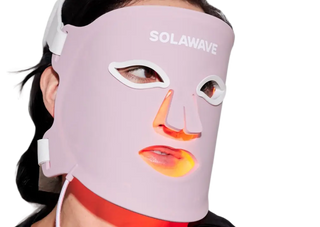
Glow Retreat Pro LED Face Mask
Realistic expectations and consistency
If there is one thing that separates people who love their device from people who abandon it, it is expectations. Light therapy rewards patience. Most routines are built around short sessions repeated over weeks, not a single marathon sitting.
- Think in weeks, not days. Give a new ritual a fair run of four to eight weeks before you judge it.
- Little and often wins. A few minutes on most days beats an hour once a fortnight.
- Track it gently. A photo in the same light every couple of weeks tells you more than the mirror does each morning.
Comfort first. Always follow the guidance that comes with your device and keep your eyes closed or shielded during a facial session. If you have a skin condition or take photosensitising medication, check with a professional before you start.
Safety and comfort
One of the reasons at-home LED therapy has become so popular is how gentle it is. There is no UV involved, so it does not carry the risks associated with sun exposure or tanning. Sessions are short, the light is non-heat, and the devices are designed to be used hands-free or with a light touch. Most people find the few minutes genuinely relaxing, a small pocket of calm in the day.
How to choose a device
The best device is the one that fits your face, your concerns and your routine. A few things worth weighing up:
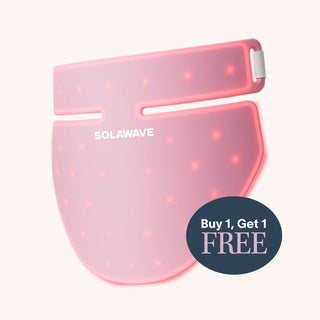
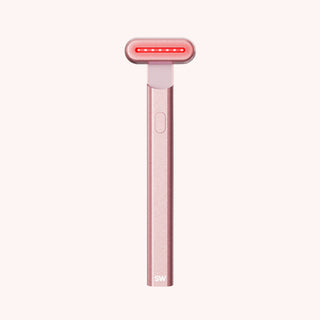
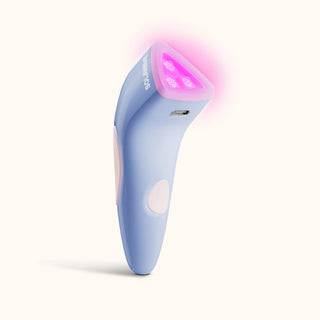
- Coverage. A full-face mask treats everything at once and is beautifully hands-free. A wand or mini lets you target specific areas with more control.
- Wavelengths. Look for devices that combine red and near-infrared rather than a single colour.
- Fit for your life. Choose something you will genuinely reach for. A device that suits your routine is the one that earns results.
Not sure where to begin? Our two-minute skin quiz matches you to the device that suits your skin and your goals, or you can explore the full range at your own pace.